About me
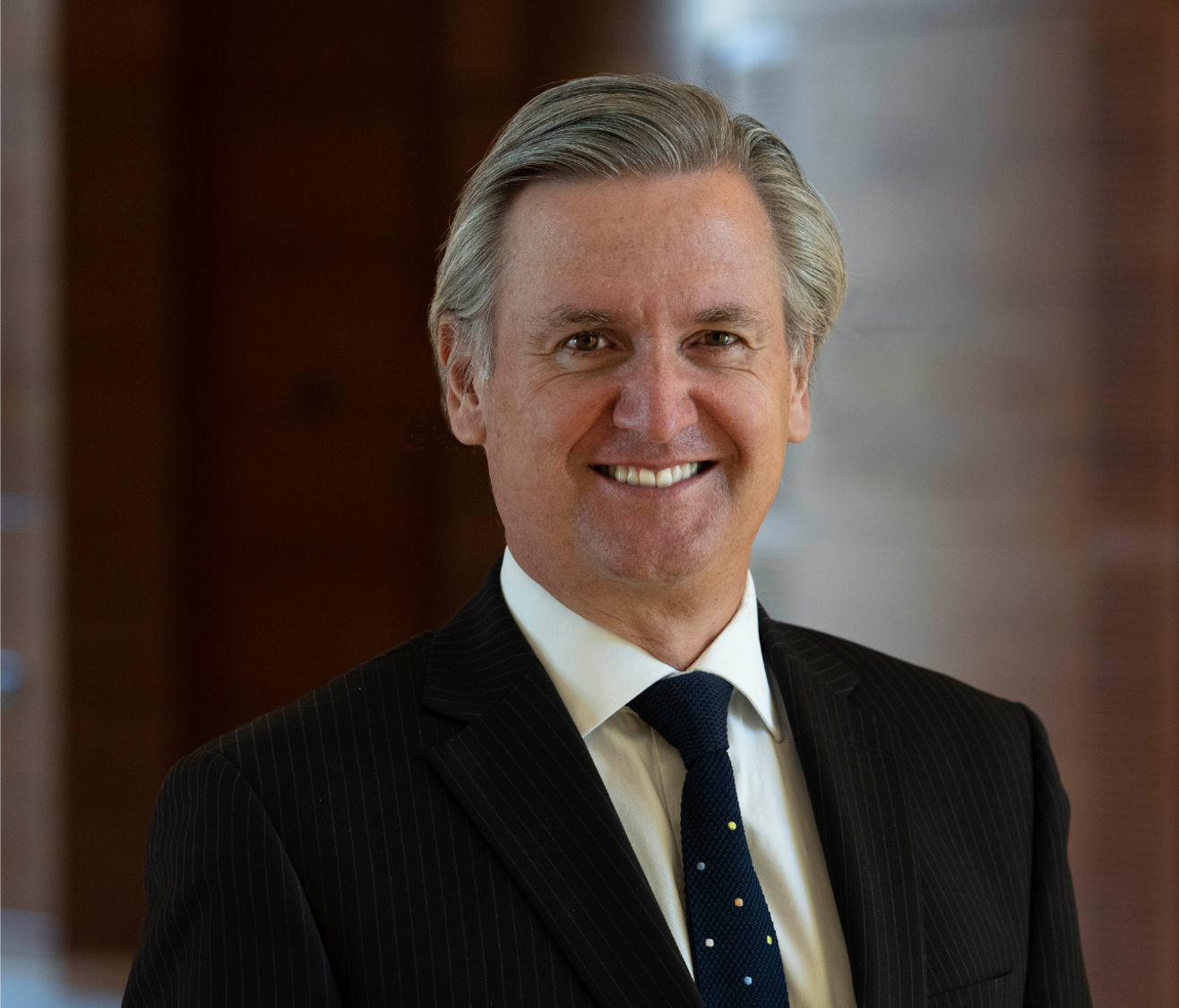
Alfredo Enrione
Founding director of the Center for Corporate Governance and Society at ESE Business School, Universidad de los Andes. Nearly three decades observing and helping redesign the invisible architectures that determine whether a board works or fails.
My thesis
I have spent close to three decades watching boards from the inside and from the outside. As an academic, as an advisor, as a director who has had to make difficult calls at one in the morning on a Sunday. The most uncomfortable conclusion I have drawn in all that time is this: most boards do not fail for lack of talent. They fail because the space in which they deliberate is badly designed.
Board members today are, by almost any objective measure, more capable than they were twenty years ago. More executive experience, more disciplinary diversity, more credentials. And yet, the major failures keep happening in the same rooms. Wells Fargo’s board was running positive self-assessments while the fraud was incubating. Kodak had an impeccable board when it lost digital photography. Most failed succession processes in family businesses happen with family councils in place and protocols signed on the table.
The reason is not talent. It is the invisible architectures that coexist in every boardroom and that almost no one names: the architecture of actual power, the architecture of what information arrives and what gets filtered, the architecture of how the room deliberates and how dissent gets anesthetized, the architecture of the perspectives effectively represented, the architecture of the committees where decisions are formed before the full board ratifies them, the architecture of the boundary with management and, in family enterprises, the architecture of the boundary with the family. My work, for nearly thirty years, has been to learn to read those architectures and, when necessary, to help redesign them.
Background
I am the founding director of the Center for Corporate Governance and Society at ESE Business School, Universidad de los Andes. For twenty-seven years I have led PADE, our flagship CEO development program, and published research in journals including American Behavioral Scientist, MIT Sloan Management Review, and Organizational Dynamics. I have served as a visiting professor at Stanford, Harvard, UCLA, IESE, Claremont, and numerous institutions across Latin America.
I am also the founder of the Círculo de Directores, a project that brings together sitting directors from across the region to discuss, off the public record, the real problems they face in their rooms. The Círculo is sponsored by Empresas CMPC, Empresas Juan Yarur, Bain & Company, Egon Zehnder, and PwC, which allows us to work with real data and with the depth that the confidentiality of these spaces requires.
In parallel with the academic work, I advise boards, chairs, and business families across several countries in Latin America, and serve as a director and committee member in regional companies. The combination is deliberate. What I write comes from what I see in the rooms; what I see in the rooms gets organized by what I study academically. Neither side of the work would function without the other.
I write regularly for the Latin American press and publish a weekly LinkedIn newsletter, “Better Boards, Better Value,” read by hundreds of thousands of people each week. I have written six books and have several book projects in progress for 2026.
What I am working on now
My work today runs along three intersecting lines. First, applied research on Latin American boards and family enterprises: composition, succession, dynamics with controlling shareholders, professionalization, intergenerational governance. Second, the design and facilitation of advisory engagements with boards, chairs, and business families — board self-assessments that actually change behavior, committee redesigns, founder-to-external-CEO succession, information architecture in the age of AI, and the prevention of family conflict before it becomes irreversible. Third, executive teaching and international keynote work, particularly on how boards must adapt their operating model to a world where speed, complexity, and the available toolset have changed structurally.
What I am not
Three clarifications worth making before someone reaches out. I am not a mediator in active family conflicts — if there are three years of accumulated dispute on the table, you need a different kind of professional first. What I do, and where most of my family-enterprise work lies, is to build governance and conversations before those conflicts become unmanageable. I am not a director-search firm; I do, however, get involved in the design of selection processes and, when appropriate, suggest specific names. And I do not run compliance or regulatory reviews.
What I do: help chairs, founders, and directors read the invisible architectures of their own rooms, make the decisions their organizations actually need, and design governance systems that outlast their designers. The work is slow, confidential, and, when it works, almost invisible.
If you have read this far, something I wrote probably overlaps with something you were already thinking.
If you want to explore working together, get in touch. If you want to read more of how I think before that, start with the newsletter.