Roberto was a successful CEO for fifteen years. When he retired, three boards courted him intensely. His record was impeccable: sustained growth, international expansion, industry recognition. The chairs were convinced they had found the ideal director.
Two years later, the reality was different. Roberto participated actively, but his contribution was not what had been expected. He dove into details, suggested specific solutions, and occasionally clashed with the CEO for not following his suggestions. How can such an effective leader turn out to be a mediocre director?
Two roles, two completely different logics of power
The answer lies in a distinction that is rarely made explicit: the CEO is paid to make things happen. The director is paid to ensure they are done properly. The difference seems subtle, but it defines everything.
The CEO exercises vertical authority with all the formal power of the position. They give instructions, make final decisions, mobilize resources. When something fails, they take responsibility; when it works, they receive the recognition. Their leadership is personal and individual.
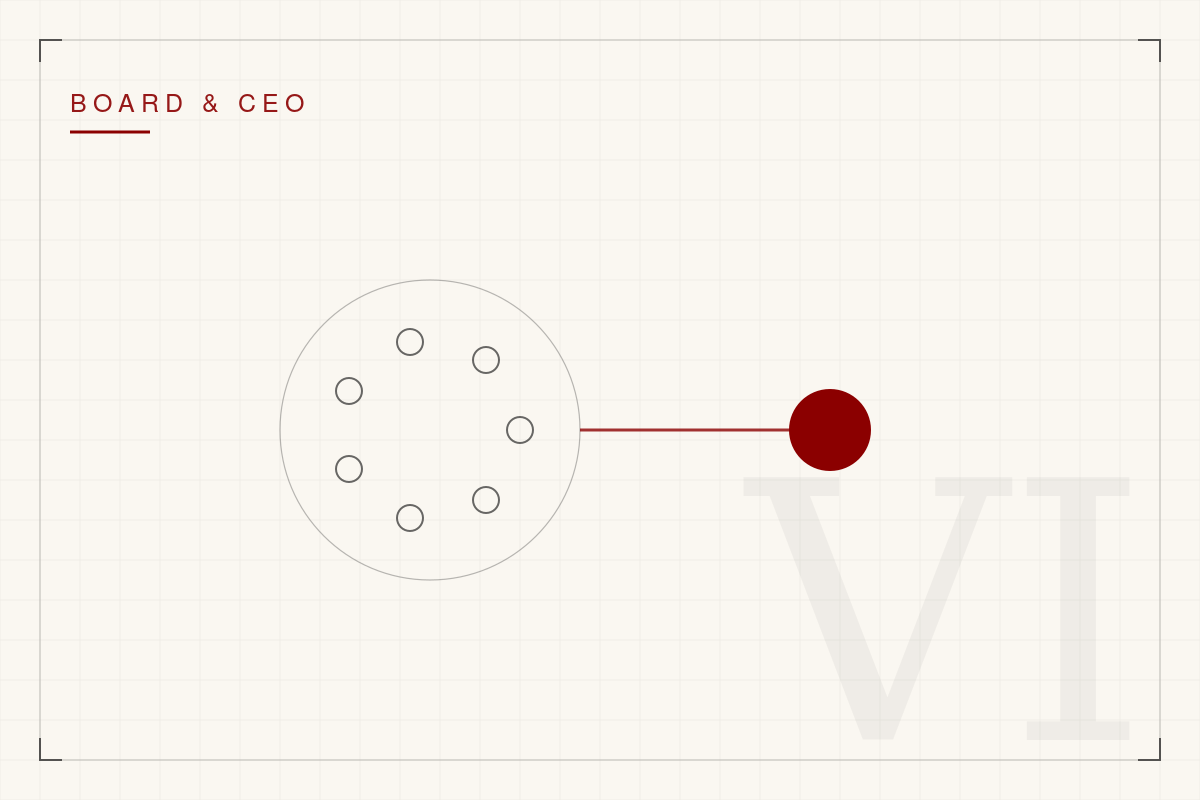
The director exercises horizontal influence among peers without formal authority. They cannot give orders or decide unilaterally. Their voice carries the same weight as any other director’s. Their effectiveness is measured by the quality of their questions, not their answers. Their contribution is collegial, not individual.
The CEO solves problems. The director ensures they are solved properly.
For years, Roberto perfected the art of identifying problems and proposing solutions. He would see an efficiency problem and design the fix, assign owners, follow up. His value lay in his executive capacity. As a director, that instinct is counterproductive. His role is not to solve the problem, but to ensure the CEO has the right incentives, the necessary resources, and appropriate follow-up mechanisms. The shift: from proposing “what to do” to validating “how we ensure it gets done.”
The CEO generates answers. The director poses questions.
Successful CEOs develop an action-and-solutions mindset. They are expected to bring answers, to solve, to decide; their credibility is built on giving clear direction. Effective directors develop an interrogative mindset. Their value lies in the questions no one asks: “What assumptions support this strategy?” “What would make us change course?” “Does the team have the capabilities to execute this?” This is not sabotage, but the expansion of the executive team’s field of vision.
The amplified challenge in concentrated-ownership cultures
Where business structures have traditionally valued authority and hierarchy, this transition is particularly complex. A successful former CEO is accustomed to having their word carry definitive weight and to teams executing quickly. In family businesses — which dominate many markets — the situation becomes even more complicated: former CEOs navigate dynamics where formal and informal influence intertwine. The temptation to act as a “super-CEO” is greater when the current CEO seems less experienced or when the family explicitly seeks their operational advice.
The three capabilities of a successful transition
Discipline of abstraction. Resisting the temptation to descend to the operational level where they feel competent. Staying at the strategic level requires conscious will in every meeting.
Epistemic humility. Recognizing that their experience is a valuable input but not unquestionable authority. The context has changed; their perfect solution from five years ago may not be relevant today.
Deliberative patience. Accepting that the board’s decision-making speed differs from the CEO’s. Consensus among peers takes more time. That “slowness” is not dysfunction but a feature of healthy corporate governance.
For reflection in your boardroom
- Former CEO: how many times in the last meeting did you propose specific solutions instead of formulating strategic questions?
- Chair: do you have evidence that the candidate understands the difference between exercising vertical authority and horizontal influence?
- As a board: do you have explicit mechanisms to help former CEOs in the transition from “doing” to “ensuring it gets done”?
The paradox of power is clear: the leaders most effective at exercising it vertically must learn to relinquish it in order to be effective horizontally.
P.S. The most difficult transition is not giving up formal power. It is discovering that influence without authority requires a completely different kind of strength.