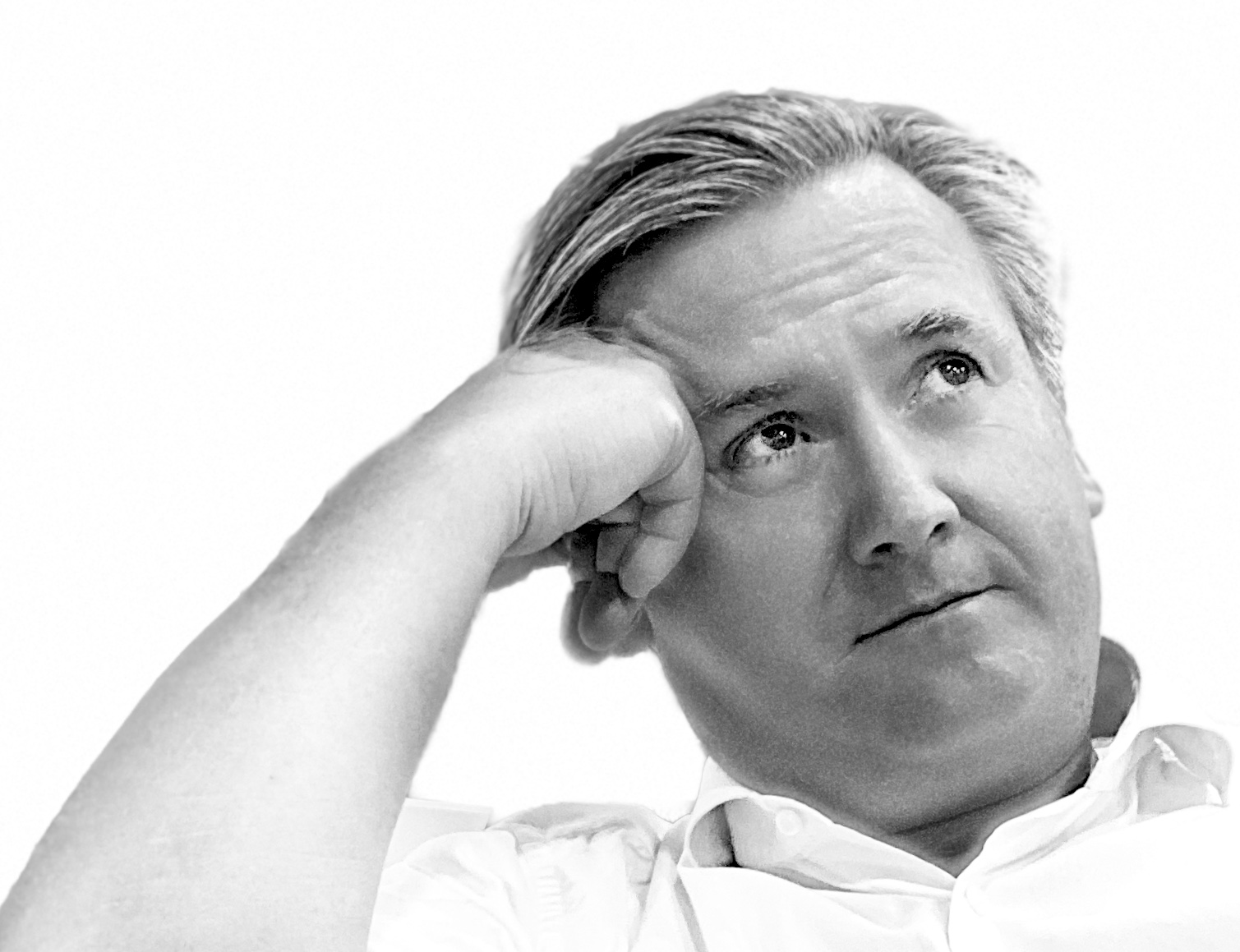
About me
Three decades reading the invisible architectures of the boardroom.
For almost three decades I have observed boards from the inside and from the outside. As an academic, as an advisor, as a director who has had to make hard decisions at one in the morning on a Sunday. The most uncomfortable conclusion I have drawn in all that time is this: most boards don’t fail for lack of talent. They fail because the space where they deliberate is poorly designed.
Directors are, by almost any objective metric, better than they were twenty years ago. They have more executive experience, more disciplinary diversity, more certifications. And yet the big mistakes keep happening in the same rooms. Wells Fargo’s board rated itself positively while the fraud was incubating. Kodak had an impeccable board when it lost digital photography. Most failed successions in family businesses happen with family councils and protocols signed on the table.
The reason isn’t talent. It’s the invisible architectures that coexist in every boardroom and that almost no one names: the architecture of real power, of the information that arrives and the information that gets filtered, of how a board deliberates and how it anesthetizes dissent, of which points of view are actually represented, of the committees where decisions take shape and the full board merely ratifies them, of the frontier with management and, in family businesses, the frontier with the family. My work, for almost thirty years, has been learning to read those architectures and, when needed, helping to redesign them.
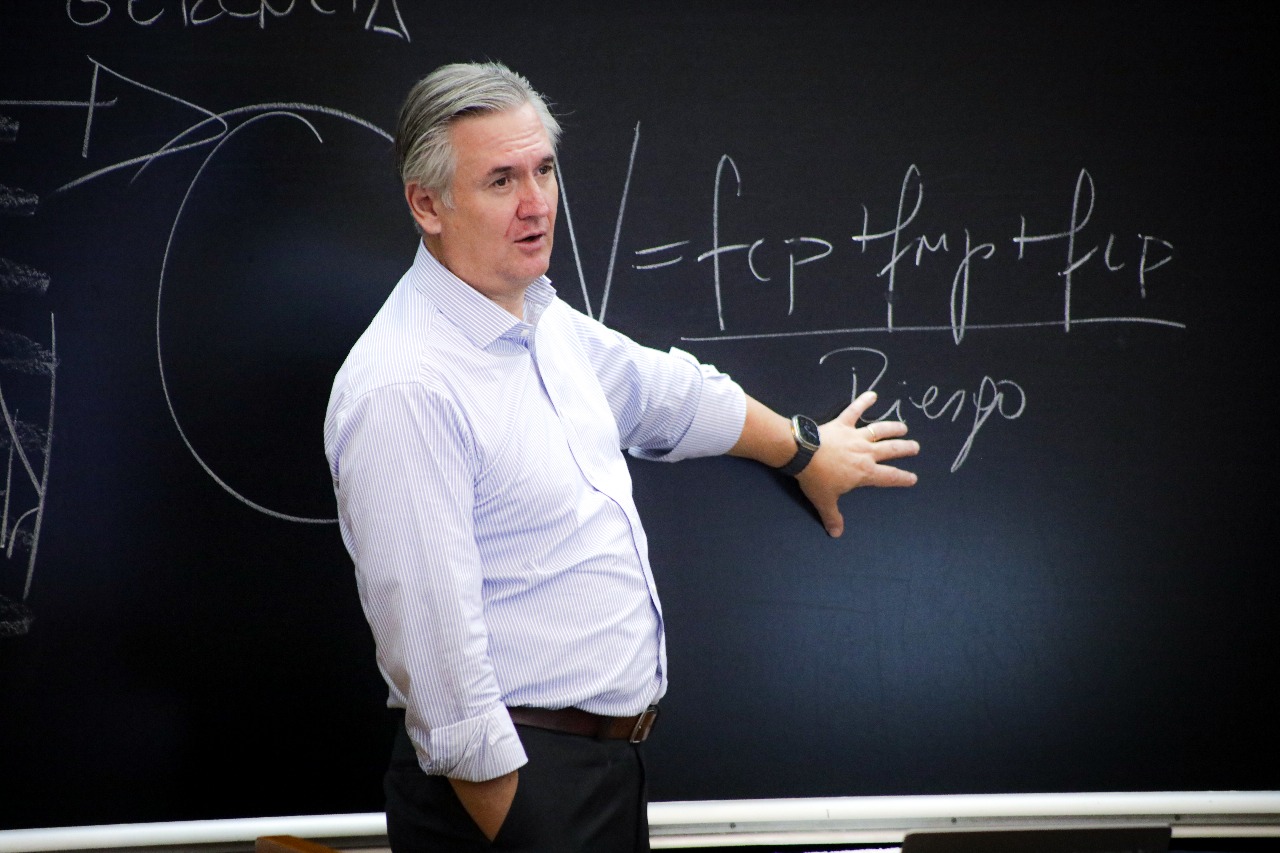
Trajectory
Academia, advisory, boardroom.
I am founder and director of the Center for Corporate Governance and Society at ESE Business School, Universidad de los Andes. For twenty-seven years I have led PADE, our flagship program for CEOs, and published research in journals such as American Behavioral Scientist, MIT Sloan Management Review and Organizational Dynamics. Beyond ESE, I have taught in the executive programs of leading Latin American business schools —IAE, IPADE, INALDE, PAD and IEEM—; held research stays at Stanford’s Rock Center for Corporate Governance and the Drucker School (Claremont); and given guest classes and talks at IESE, London Business School, UCLA and Harvard.
I also founded the Círculo de Directores (Directors’ Circle), a project that brings together sitting directors from across the region to discuss, off the record, the real problems they face in their boardrooms. The Circle is sponsored by Empresas CMPC, Empresas Juan Yarur, Bain & Company, Egon Zehnder and PwC, which lets us work with real data and with the depth that the confidentiality of these spaces demands.
Alongside academia, I advise boards and chairs in several Latin American countries, and I am a trusted advisor to several business families in the region. I have served as an independent director in several of their operating companies, and I currently sit on the board of a family office. The mix is not accidental: what I write is born from what I see in the rooms, and what I see in the rooms is ordered by what I study academically.
I write regularly in Latin American media —Diario Financiero, La República (Colombia) and La Tercera— and publish the newsletter Better Boards, Better Value on LinkedIn, every Tuesday and Thursday, read by hundreds of thousands. Five published books —four in Spanish with ESE and one recent title in English—, another forthcoming in English (2027), and chapters in international academic books — among them the Handbook of AI and Strategy by Edward Elgar.
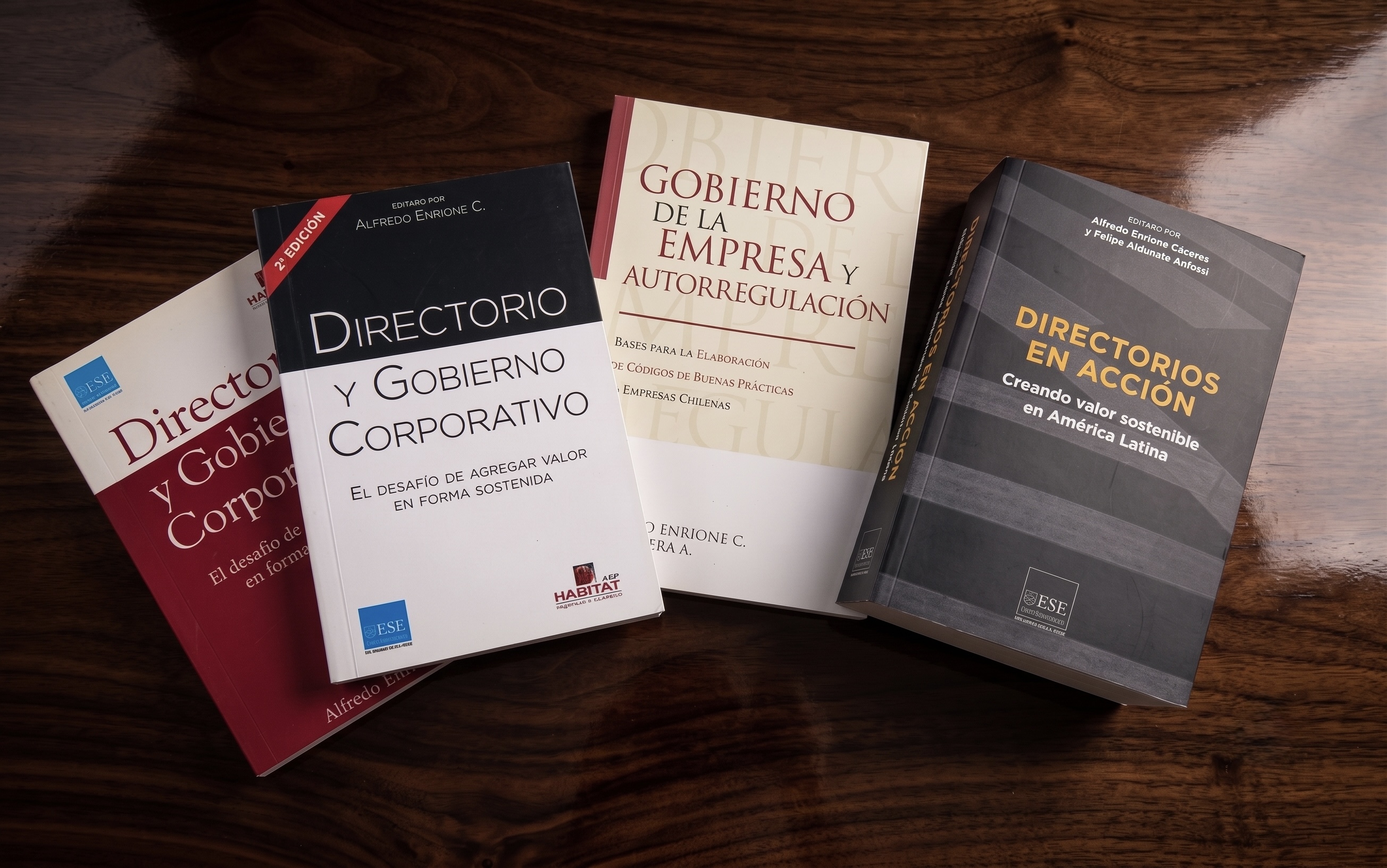
A · Published books
Five books on corporate governance and boards.
Four in Spanish published with ESE Business School and a fifth in English published in 2025.
- Sustainable Corporate Governance
- Directorios en Acción
- Directorio y Gobierno Corporativo (2nd edition)
- Gobierno de la Empresa y Autorregulación
- Directorio y Gobierno Corporativo (1st edition)
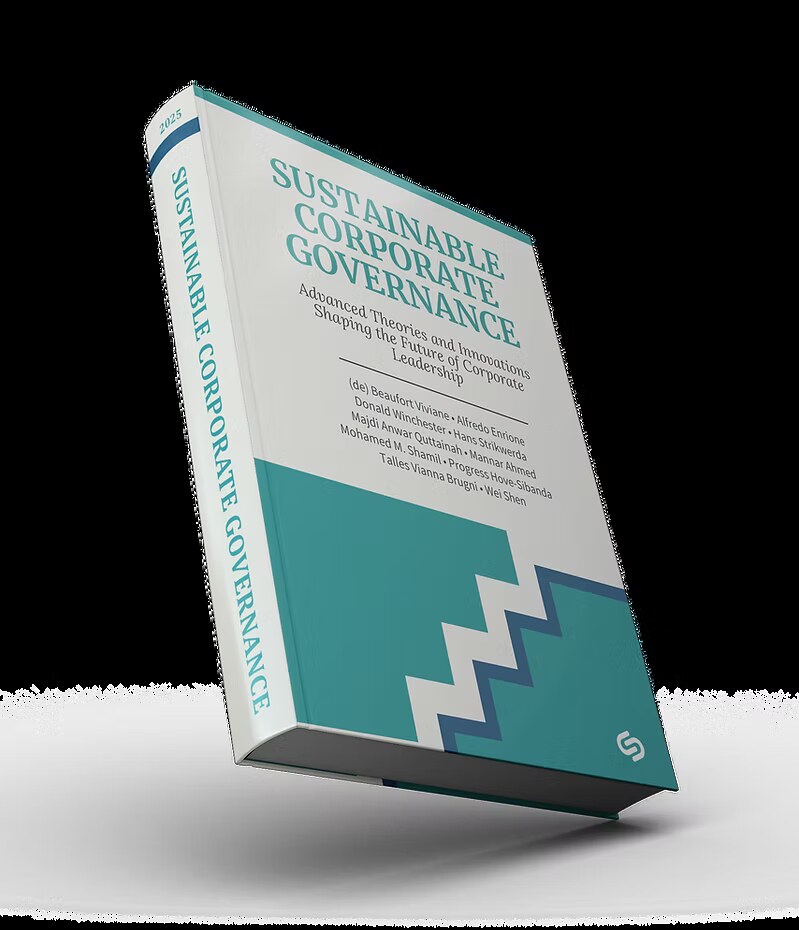
Sustainable Corporate Governance · 2025 · the fifth book, in English
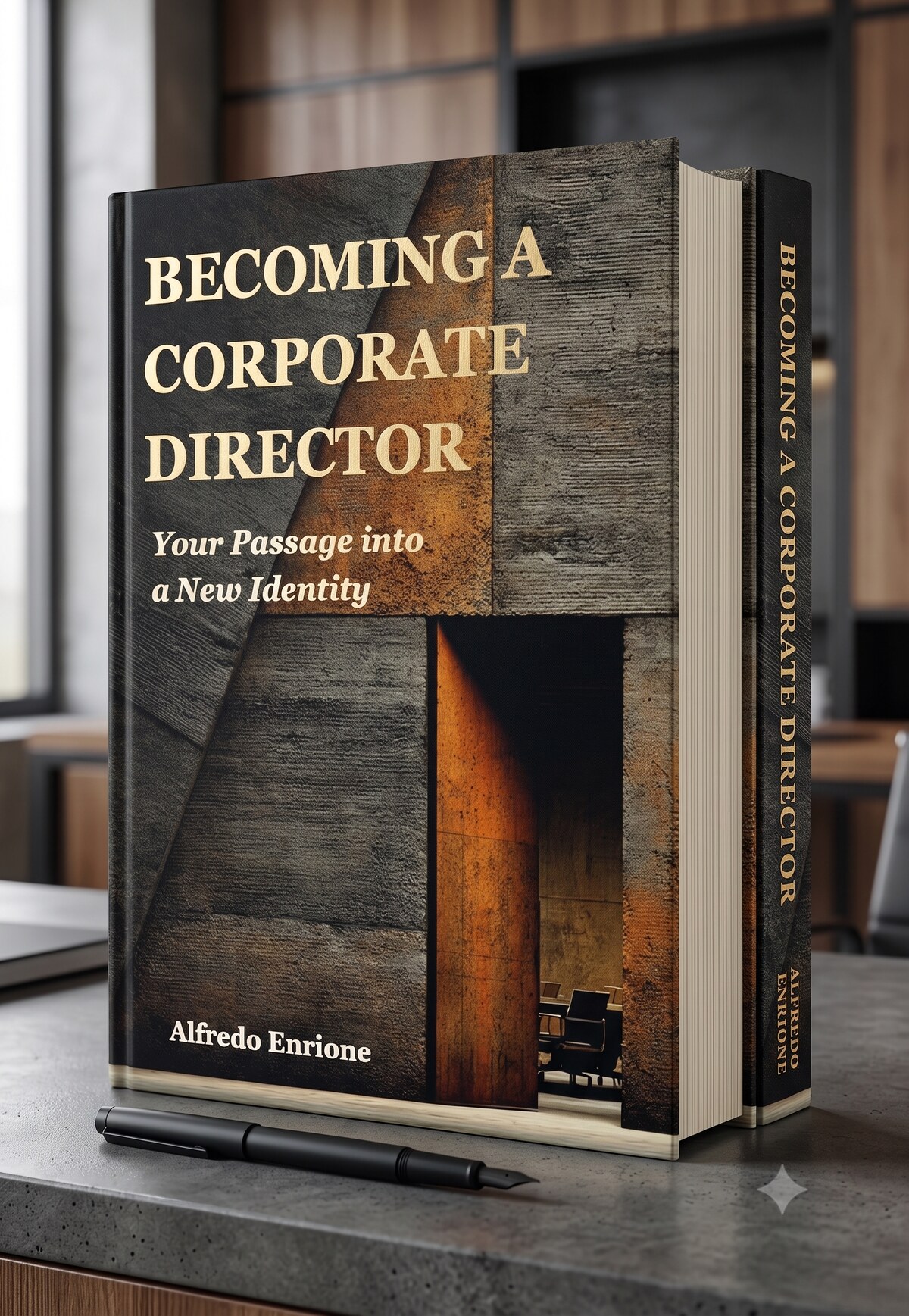
B · Forthcoming book · In English · 2027
Becoming a Corporate Director
Your Passage into a New Identity
My first book in English. An editorial guide for those preparing for their first listed-company board: how you cross the frontier from executive to director without losing identity or effectiveness. Thirty years of observation condensed into twelve chapters.
Notification list
I’ll let you know when the book is available. Those who sign up today will receive the first chapter as a PDF.
C · Academic contributions
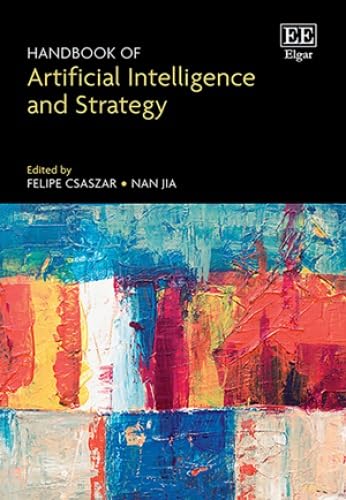
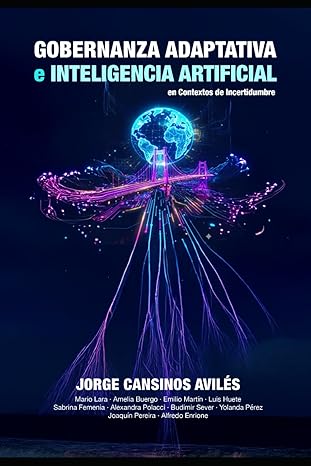
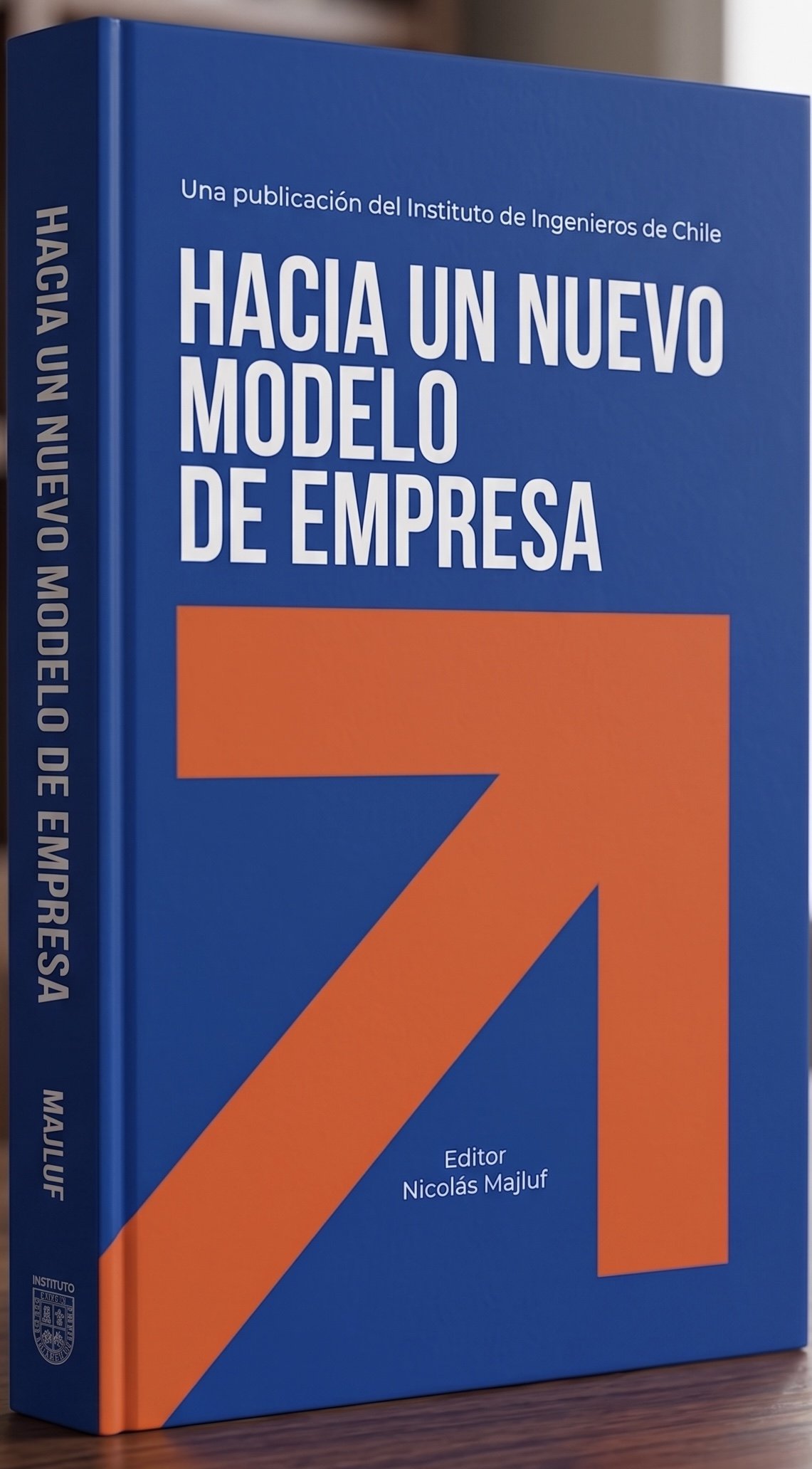
Chapters in international academic books
Recent collaborations as a contributor in peer-reviewed volumes on corporate governance, strategy and artificial intelligence.
Handbook of Artificial Intelligence and Strategy
Chapter contributor
Gobernanza Adaptativa e Inteligencia Artificial en Contextos de Incertidumbre
Chapter contributor
Hacia un Nuevo Modelo de Empresa
Author of two chapters
Today
What I’m working on today
My current work is organized around three lines that feed one another. The first is applied research on Latin American boards and the region’s family businesses: composition, succession, dynamics with controlling shareholders, professionalization, intergenerational governance. The second is the design and facilitation of advisory processes for boards, chairs and business families, focused on self-assessment that actually changes behavior, committee redesign, founder-to-external-CEO succession, information architecture in the age of artificial intelligence, and preventing conflict before it becomes irreversible. The third is executive teaching and international keynotes, especially on how boards must adapt the way they operate to a world where speed, complexity and the available tools have changed structurally.
Honest filters
What I’m not
I’m not a mediator for active family conflicts. If there are three years of accumulated fighting on the table, you first need a different kind of professional. What I do do, and where most of my work with business families lies, is building governance and conversations before those conflicts become unmanageable.
I’m not a headhunter or a director search firm. I do get involved in designing selection processes and, when appropriate, suggest specific names. I work alongside the search firm — I don’t replace it.
I don’t do compliance or regulatory reviews. There are good firms that do — and this is not the craft where I add value.
What I do do: help chairs, founders and directors read the invisible architectures of their own rooms, make the decisions their organization actually needs, and design governance systems that outlast their designers. It is slow, confidential work and, when it works, almost invisible.
In conversation
Recent interviews and long conversations.
Three recent conversations (in Spanish) where I discussed current corporate governance cases, the role of boards in the age of AI, and the mistakes that sink companies in Latin America.
If you’ve made it this far, something I wrote probably matches something you were already thinking.
If you’d like to explore working together, write to me. If you’d like to know more about how I think before that, I suggest starting with the newsletter or two or three articles from Ideas.